The work
Four books on strategy and geopolitics, three of them from Destek Yayınları. A fifth, Strategic Situation Change, is complete in Turkish and English.
-
Destek Yayınları
-
Destek Yayınları, 2025
-
Destek Yayınları, 2024
-
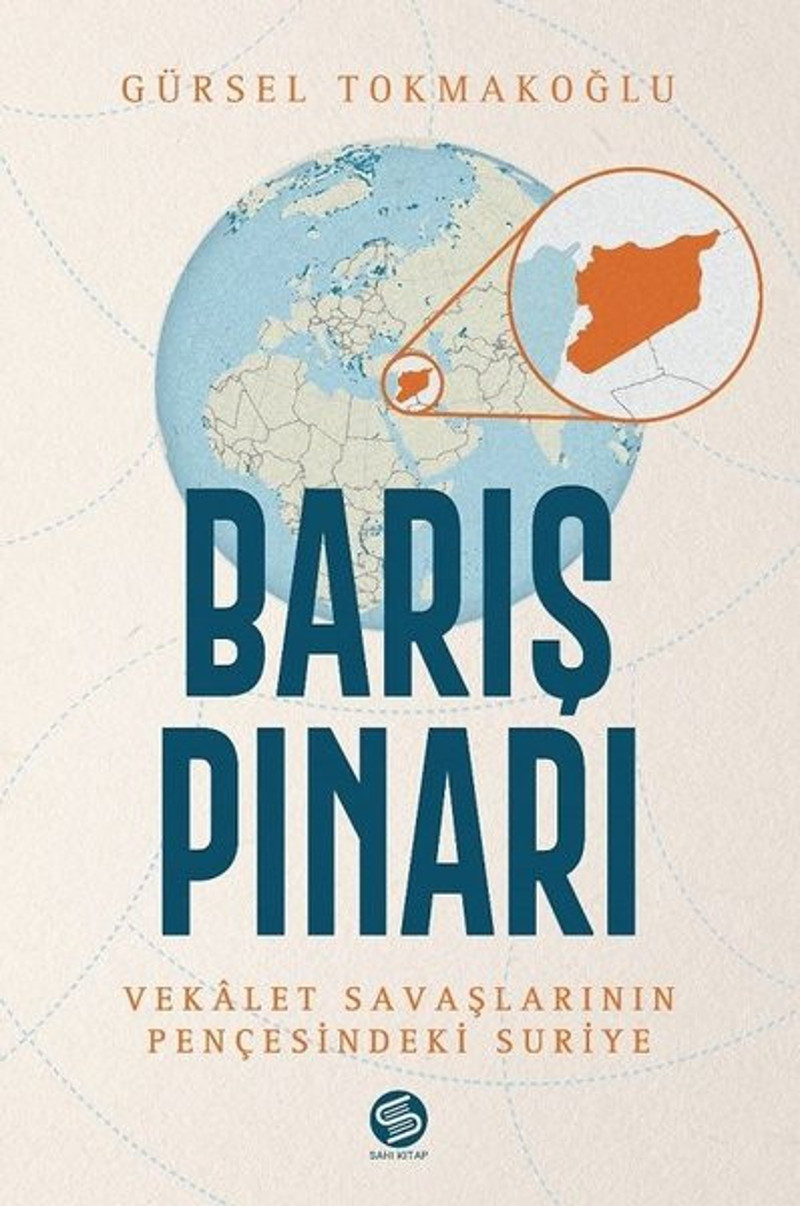
Sahi Kitap, 2019
Final text complete · Seeking publishers
Strategic Situation Change
The True Meaning of Superiority in New-Generation Warfare
Connect with the author to access the full book → Read a passage
Great powers have stopped fighting for victory. They fight to change the situation: to engineer conditions of control that outlast any battlefield outcome, and that no surrender ceremony is required to secure.
Most strategic writing asks who is winning. Strategic Situation Change argues that the question has expired. In the wars of the last decade, dominant powers have gone after durable, engineered advantage over straits, nuclear material, energy pricing and trade routes, and have had little use for territory or surrender. The book uses the generations of warfare to explain why this became the working method now, and not in every era.
It treats the ongoing US-Iran and Russia-Ukraine wars as live laboratories and builds three arguments on them. The first is sovereignty drift: short memoranda record losses of sovereignty that no treaty announced. The second is situation engineering, a cycle of small touches, tracked reactions and cumulative convergence, modeled with the tools of evolutionary game theory. The third is sixth-generation warfare, in which machine-human interaction deepens, the cognitive domain carries more of the fight, and autonomous systems and AI-supported decisions spread.
Few strategy books in English are written from Türkiye. Tokmakoğlu, a former head of Turkish Air Force Intelligence, reads US doctrine, Russian theory and events in the Middle East side by side as they happen, and has argued these theses in public since 2017.
The book has a specific origin. On a television panel discussing the Iran war, Tokmakoğlu argued that the United States was not pursuing victory but engineering a change of situation: pressure alternating with talks, control over Hormuz, nuclear material, and oil pricing. The editor-in-chief of a leading national newspaper answered him: "I'm not interested in explanations dressed up in fancy words. The matter is clear. The US lost!"
He was, at the time, writing a book about the Iran war. He set it aside to write this one first.
It sits alongside Everett Dolman's Pure Strategy, Robert Mandel's The Meaning of Military Victory and Sean McFate's work on durable disorder. Where it differs is in treating the decline of victory as a claim about a particular period, one that can be tested and that comes with an operational cycle.
Two pages produced a lasting change in Iran’s domains of sovereignty. The territory was preserved. The fabric loosened.
From the chapter Strategic Gain · Sovereignty drift
Connect with the author to access the full book → Read the passage in full
The column
Independent Türkçe
Contributor, “Türkiye’den Sesler” (Voices from Türkiye), the Turkish-language edition of The Independent (UK). Sixteen columns in September 2026 alone.
The argument of Strategic Situation Change was made in public, column by column. The latest:
- Moskova Rafinerisi, Duma Günü ve petrolün üç boğazı The Moscow refinery, Duma Day and oil’s three straits · 21 September 2026
- Grönland: Jeopolitik gereklilik Greenland: a geopolitical necessity · 20 September 2026
- Üç koridor: Cibuti, Ümit Burnu ve Kuzey Deniz Yolu Three corridors: Djibouti, the Cape of Good Hope and the Northern Sea Route · 19 September 2026
- Yemen artık ikinci planda tutulamaz Yemen can no longer be kept in the background · 17 September 2026
- NATO strateji olarak kuantum-hazır ittifak NATO’s strategy: the quantum-ready alliance · 15 September 2026
- BRICS Yeni Delhi Bildirgesi The BRICS New Delhi Declaration: not poles but situation · 13 September 2026
On air
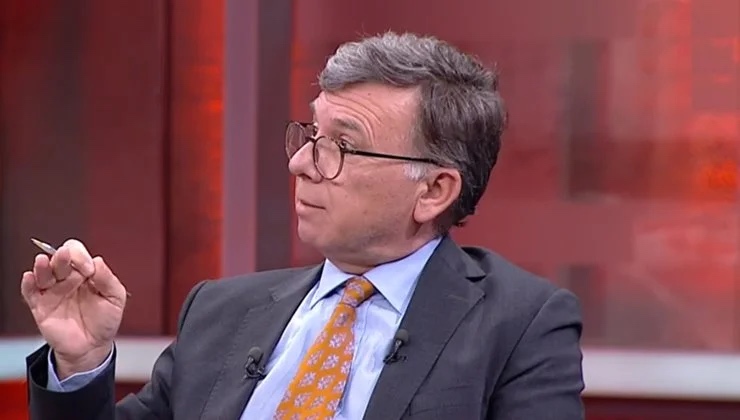
Since 2017 he has been explaining wars on television while they are still being fought.
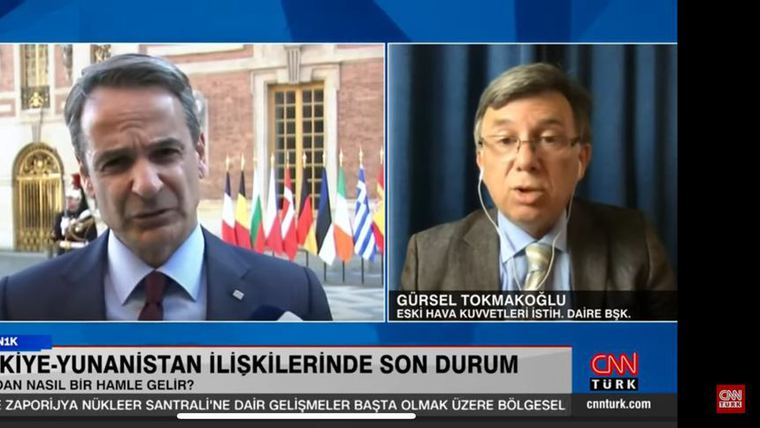
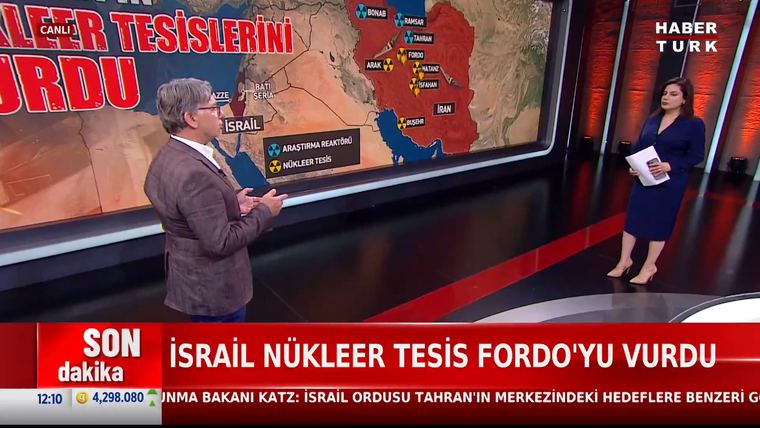
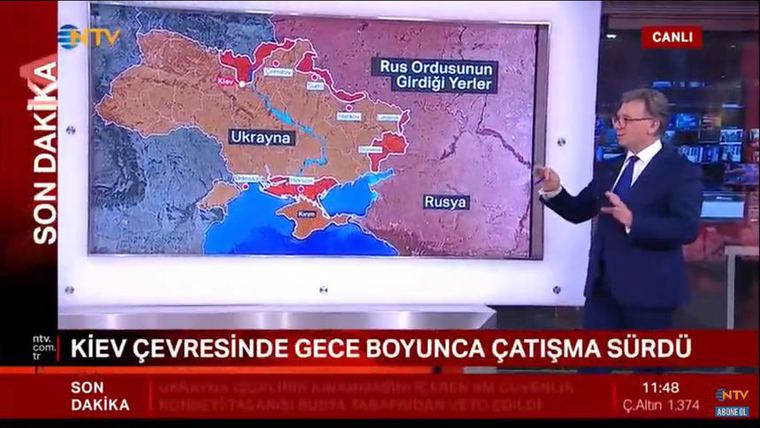
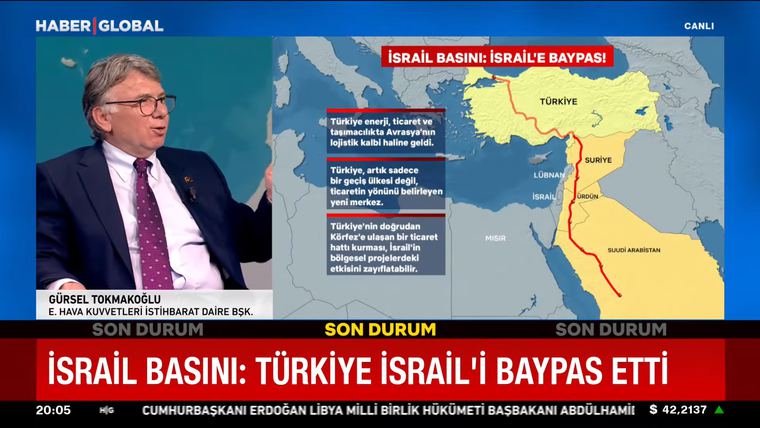
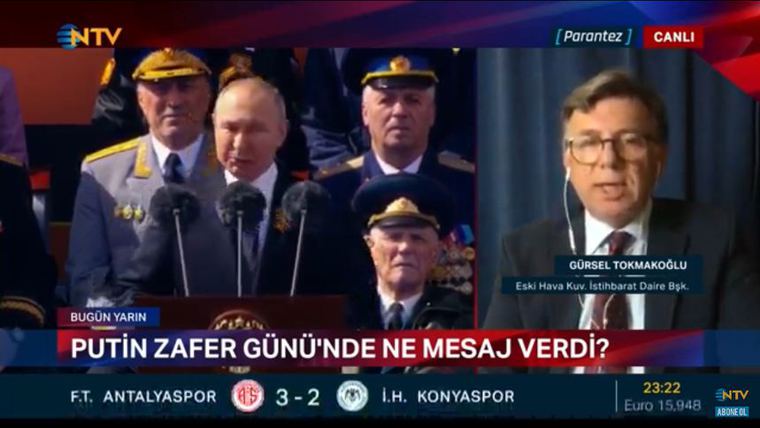
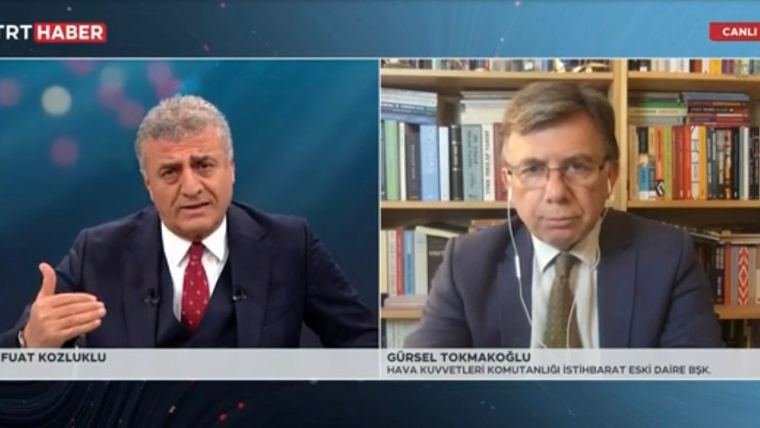
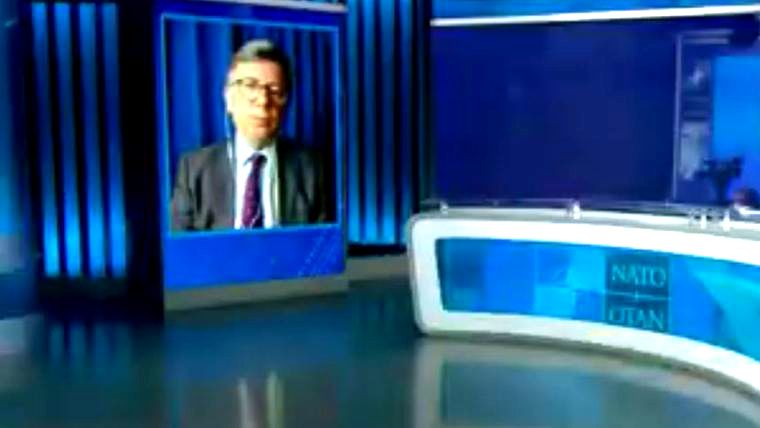
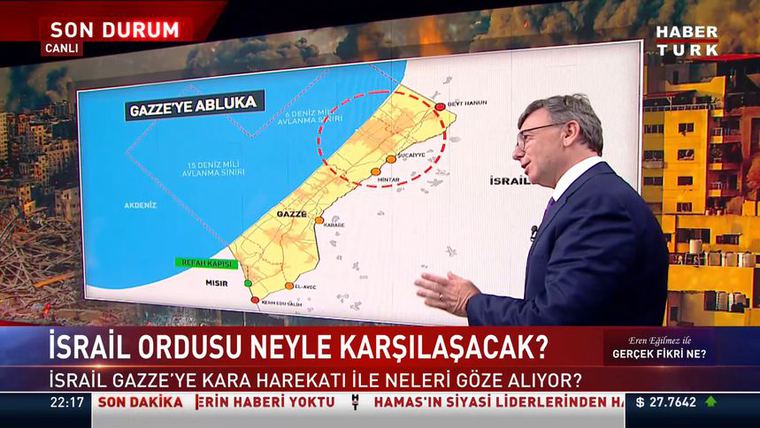
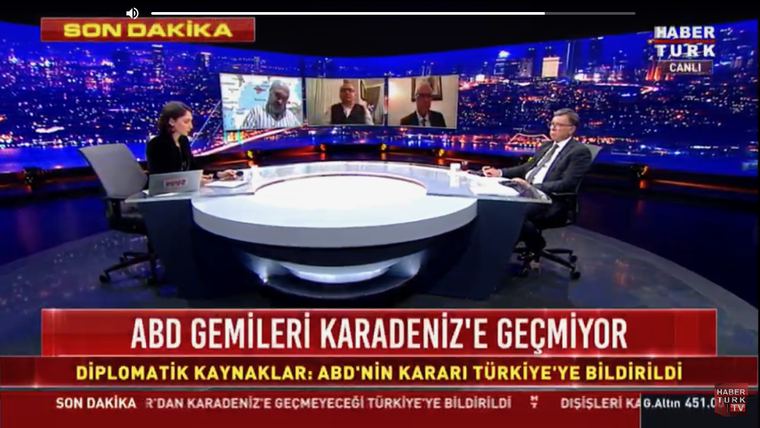
Habertürk · NTV · CNN Türk · TRT Haber · TRT Arabi · Haber Global · A Haber
About
Service
Gürsel Tokmakoğlu is a Turkish strategist and geopolitics expert, and a former Turkish Air Force intelligence officer. Rated at the highest level throughout his career, he was consulted by senior commanders as a strategic adviser.
-
1961
Born in Çan, Çanakkale
-
1982
Turkish Air Force Academy
Electrical and Electronics Engineering.
-
1983
Armed Forces Intelligence School
Military intelligence posts at home and abroad from then on. A Cold War specialist: studies on nuclear weapons employment, confidence- and security-building measures and disarmament under NATO's Partnership for Peace and the OSCE, arms control verification missions in the Soviet era, and studies on the South Caucasus. On active duty in both Gulf Wars as an Iraq specialist, on the team that would have directed the war with the decision-makers had Türkiye entered it. He followed the US development of the TBMCS battle management system and deepened the Air Force's work on information systems.
-
1988-1993
Instructor, Intelligence School
Tasked by the high command with reforming intelligence training. After technical teacher training he developed the curricula and wrote the concept and operational intelligence textbooks, later used by other units and schools.
-
1995
Air War College
Thesis on the use of operational research in intelligence, arguing for a more scientific approach to war. Later the Armed Forces Academy.
-
1995-1999
Head of Intelligence, 2nd Air Force Command, Diyarbakır
Counter-terrorism and internal security. From 1996 he helped change the tactical concept of the major operations in northern Iraq, and developed an original system for using air power in special forces operations in difficult terrain and threat conditions, linking reconnaissance, surveillance and decision. He wrote an intelligence assessment of Syria that set out early strategies of strategic pressure, which later informed Türkiye's policy.
-
·
NATO service, Italy
Head of the Targeting Branch at 5th ATAF Headquarters in the Bosnia and Kosovo operations; worked for the Turkish Air Force's move from air defence patrols over Bosnia to offensive missions over Kosovo. Awarded the NATO Medal. Worked on Air Force information systems, including with Lockheed Martin.
-
2001-2002
Commander, Air Force Intelligence School
Turned a department into an independent school and opened it to NATO and the other services, with new courses. Had military students trained in international relations. Before his posting abroad he wrote the Air Force intelligence vision, which is still in use.
-
2002-2004
Military Attaché to Kazakhstan and Tajikistan
Founded the Asia Platform in Almaty. Field studies in Kazakhstan, Uzbekistan, Kyrgyzstan and Tajikistan and in the Caspian, Semey and Aral regions; studied China's military capabilities, above all UAVs and missiles. Worked on Caspian security and contributed to the founding of Kazakhstan's Bautino naval port, Aktau naval base and Naval Academy, and supported the founding of a special forces unit in Almaty. Supported NATO's Afghanistan mission from Central Asia and contributed to the work of the OSCE and the NPT regime in the region.
-
2006-2007
Head of the Air Force Intelligence Department
Embedded the intelligence vision he had written and pursued new surveillance and reconnaissance capabilities: sensors, satellites, UAVs, and decision and coordination systems. Retired in 2007.
-
2007-2017
Senior private-sector roles
Construction and tourism, in Türkiye and abroad. In the same years he published six books of poetry and philosophy (2010-2013).
-
2017
Turned to strategy and security commentary
The Politik Merkez column, and the start of the television work. Later an observer with Turkish forces in the Syria operations, including Peace Spring and Spring Shield.
Method
He works from first-hand observation and from more than one vantage point. He has studied American power in the United States, looked at the world from the Russian "heartland," placed China at the center and examined it from there, and works continuously across Europe and the Middle East.
He has witnessed wars of every kind at close range, and counts the fight against terrorism among his subjects.
What matters is to move forward with understanding, without missing the essence of what is happening.
Strategic Situation Change, preface
The books
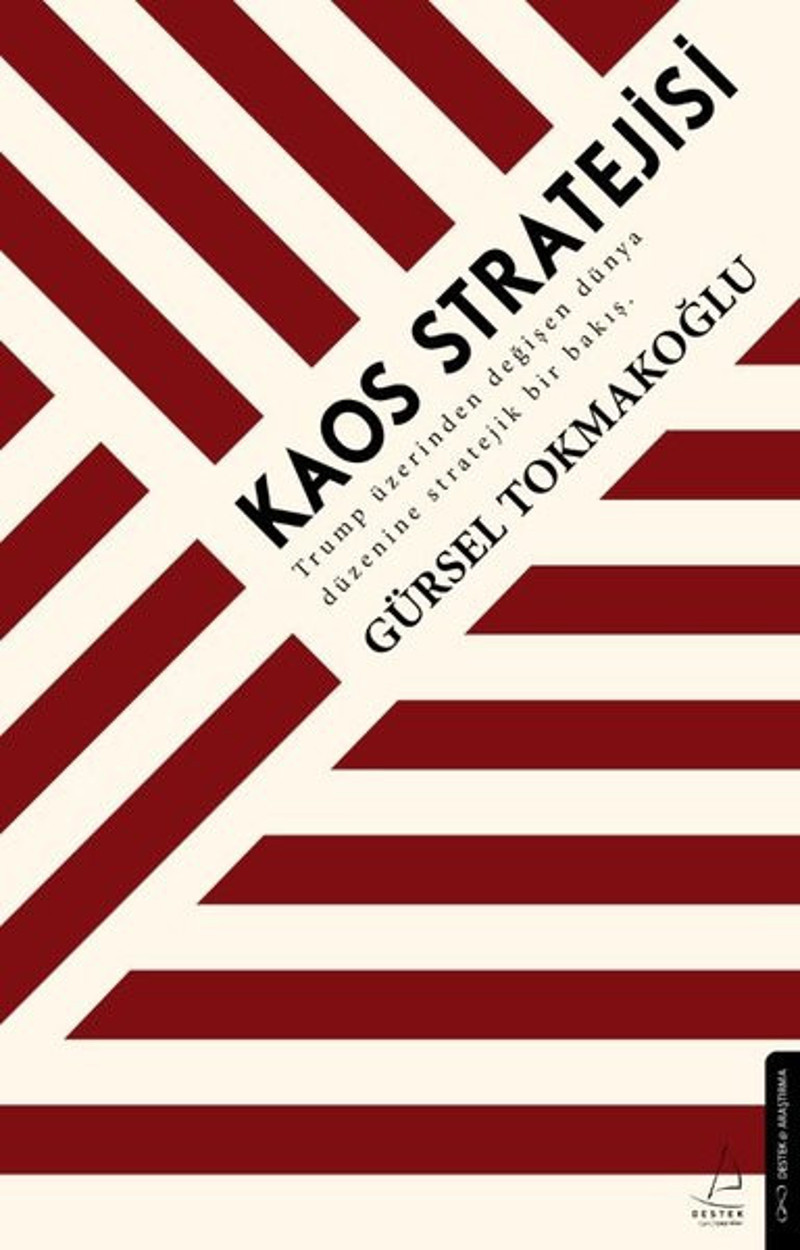
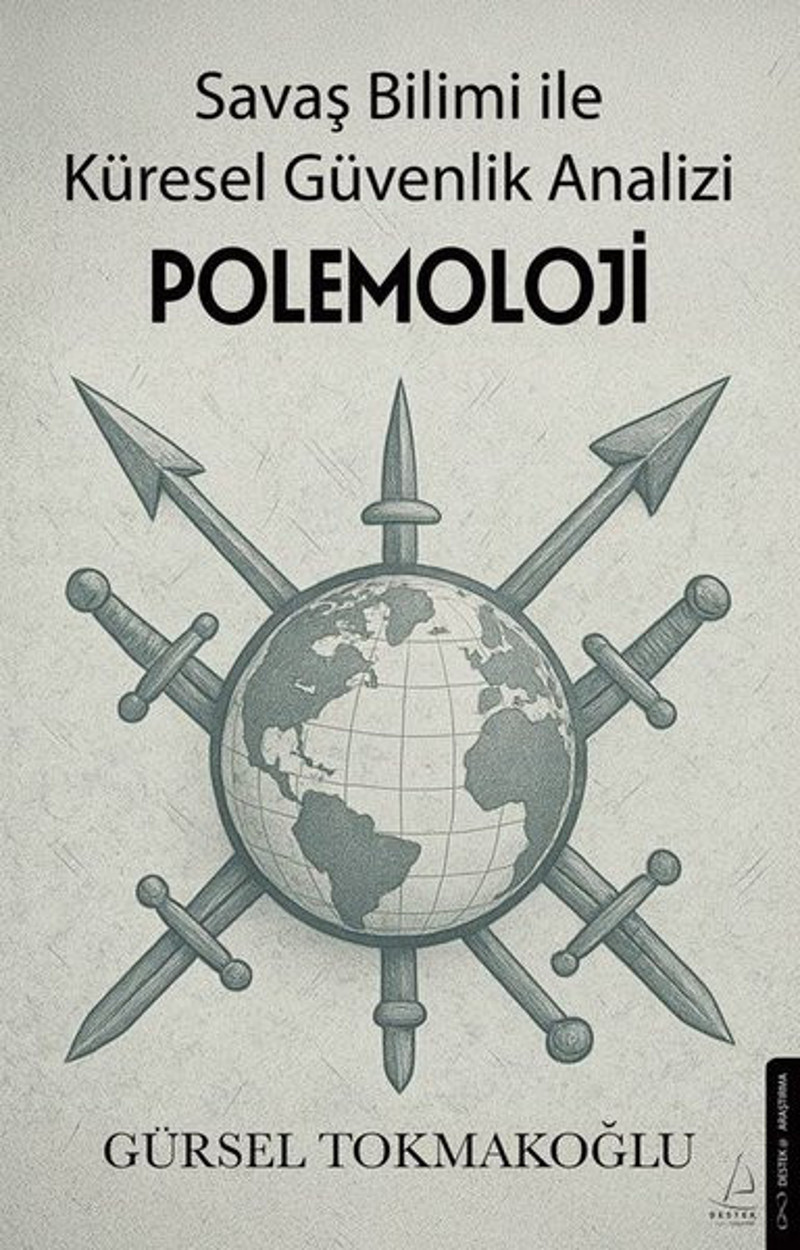
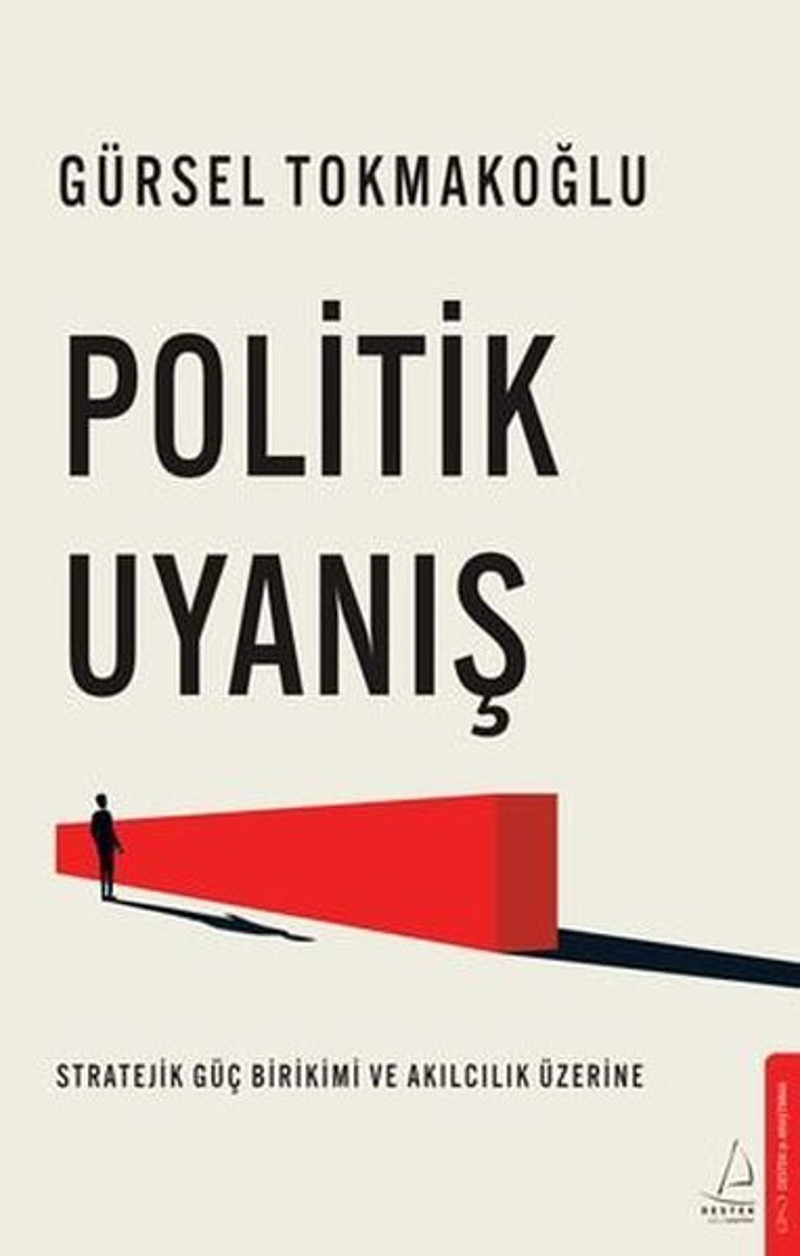
He turned to strategy and security commentary in 2017. His strategic writing now runs to four books: Barış Pınarı (2019/2020, Sahi Kitap), on Syria as a theater of proxy war; Politik Uyanış (2024, Destek Yayınları), on power accumulation as a political discipline; Polemoloji (Destek Yayınları), which introduced polemology, the science of war, to Turkish readers and set out fifth-generation warfare in full; and Kaos Stratejisi (Destek Yayınları), on controlled chaos as a deliberate instrument of statecraft. A fifth, Strategic Situation Change (Stratejik Durum Değişikliği), was completed in Turkish and English in September 2026.
Today
He is a contributor to Independent Türkçe, the Turkish-language sister publication of The Independent (UK); publishes English versions of his columns on Substack; and appears as a television commentator on Habertürk, NTV, CNN Türk, TRT and A Haber. His new book, Strategic Situation Change, extends this framework into a full-length study of how strategic advantage and warfare are changing, and works directly with Western strategic theory, from Thomas Schelling to John Mearsheimer.
He lives in Türkiye, and is married with two children. He also paints, and has exhibited in Almaty and at the Bilkent Gallery in Ankara.
Books
Strategy and geopolitics. Editions at idefix.com.
-
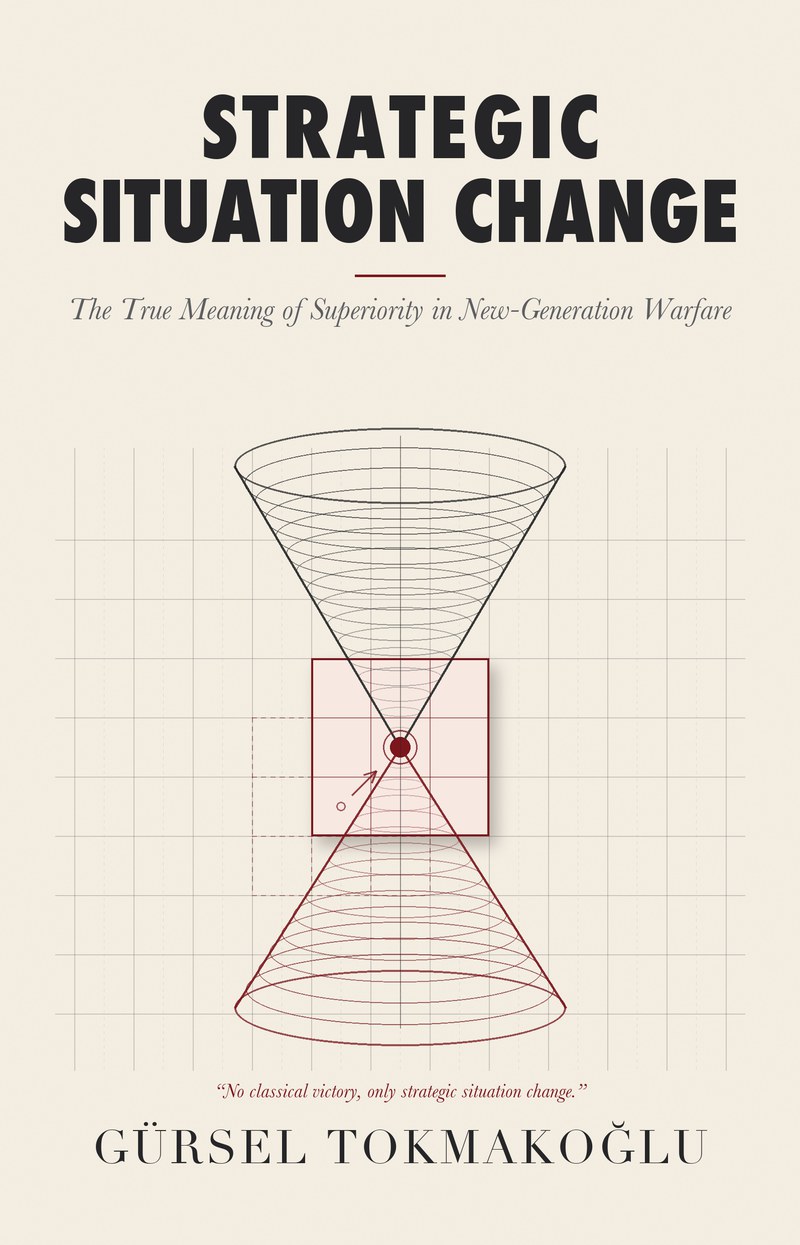
Complete, September 2026
Why great powers no longer fight for victory but to shift the situation, with a test the reader can run.
-
Destek Yayınları
Controlled chaos as a deliberate instrument of state strategy, read through Trump-era U.S. policy.
-
Savaş Bilimi ile Küresel Güvenlik Analizi · Destek Yayınları
Establishes polemology as a discipline for global security analysis, and sets out fifth-generation warfare in full.
-
Stratejik Güç Birikimi ve Akılcılık Üzerine · Destek Yayınları, 2024
A study of politics as a strategic discipline of national power accumulation.
-
Vekâlet Savaşlarının Pençesindeki Suriye · Sahi Kitap, 2019/2020
Syria as a theater of proxy warfare in the Eastern Mediterranean.
Platforms
- Independent Türkçe Contributor, "Türkiye'den Sesler" (Voices from Türkiye), the Turkish-language sister publication of The Independent indyturk.com/gürsel-tokmakoğlu
- Substack His Independent Türkçe columns in English substack.com
- Television Regular commentator on Habertürk, NTV, CNN Türk, TRT and A Haber
- X Running commentary on strategy and current wars @GurselTokmakogl
- LinkedIn Professional profile linkedin.com/in/grsltkmkgl
- Politik Merkez Long-form political and strategic commentary archive politikmerkez.com/author/tokmakoglu
Contact
For publishing inquiries, rights, interviews, or speaking requests